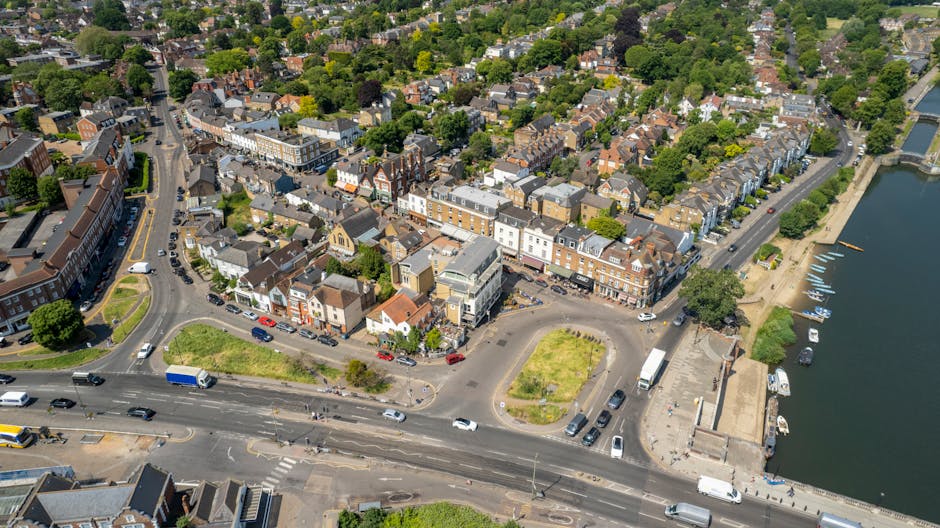
Kingston Council parking permits for removals what to know

If you are planning a move in Kingston upon Thames, parking can become the part that catches everyone out. The van is booked, the boxes are packed, and then you realise the street is tight, the bays are busy, and a few minutes of bad parking could turn a smooth removal into a stressful mess. That is where Kingston Council parking permits for removals what to know really matters. This guide explains how it typically works, why it matters, what to check before moving day, and how to avoid the small mistakes that can cost time, money, or both.
Whether you are moving out of a flat near the town centre, shifting furniture from a terraced street, or arranging a commercial move, a little planning goes a long way. Truth be told, most moving problems are not about lifting boxes. They are about access, timing, and the space your vehicle needs to do the job properly.
- Why it matters
- How it works
- Key benefits and practical advantages
- Who this is for and when it makes sense
- Step-by-step guidance
- Expert tips for better results
- Common mistakes to avoid
- Tools, resources and recommendations
- Law, compliance, standards, or best practice
- Options, methods, or comparison table
- Case study or real-world example
- Practical checklist
- Conclusion
- Frequently asked questions
Why Kingston Council parking permits for removals what to know Matters
Parking is easy to underestimate until you are standing outside with a two-seater sofa, a trolley, and a van that cannot stop where you hoped. In Kingston, many streets are controlled, narrow, or both. Some have resident bays, some have loading restrictions, and some simply do not give you the room you need on a busy day.
A removal-day parking plan is not just about avoiding a ticket. It is about keeping the move moving. If the vehicle has to park half a street away, every trip takes longer. If the driver has to keep shifting position because of bay rules, you lose momentum. And if the property is in a permit-controlled area, you really do not want to be figuring it out at 8:30 in the morning while the kettle is still cold.
For flat moves, office relocations, or bulky furniture collections, access often matters as much as the packing itself. If you are working with a team, a permit or temporary parking arrangement can make the difference between a calm job and one with a lot of muttering under breath. We have all seen those moves where the first ten minutes tell you everything.
Expert summary: The best removal jobs in Kingston usually start before moving day, not on it. Confirm the street restrictions, allow enough vehicle space, and treat parking as part of the move plan rather than an afterthought.
How Kingston Council parking permits for removals what to know Works
In practical terms, parking permissions for removals usually sit somewhere between council-controlled parking, loading allowances, suspension requests, and timed access planning. The exact process can vary by street, bay type, and local restrictions, so the safest approach is to check the current rules before you book anything that depends on roadside space.
For a removal, you may need one or more of the following:
- a temporary parking permit for the vehicle
- permission to use a controlled bay for loading and unloading
- a bay suspension if the street is too tight or too heavily used
- clear instructions for the driver on where to stop and for how long
That sounds straightforward, but the real-world version can be a bit fiddly. For example, a street that looks spacious at 11am may be almost full by school run time or late afternoon. A bay that appears free may still be restricted. And a permit that covers one vehicle may not cover a second car or a larger van. Small details, big consequences.
If you are arranging a move and also comparing removal support, it can help to look at your wider moving plan at the same time. Services such as removals, man and van, and house removals are often discussed alongside parking because the vehicle size and access needs influence what parking arrangement makes sense.
One important point: do not assume every removal van can use the same space a private car would use. Vans are longer, sometimes taller, and often need a little more room to load safely. That extra metre or two can matter more than you think.
Key Benefits and Practical Advantages
Getting the parking side right offers more than just peace of mind. It makes the move faster, safer, and usually less stressful for everyone involved.
- Less wasted time: No endless circling the block looking for a space.
- Safer loading: The vehicle can be parked closer to the entrance, which reduces carrying distance.
- Lower risk of fines: A valid arrangement helps avoid the expensive mistake of parking in the wrong place.
- Better coordination: Movers, family members, and the vehicle stay in sync more easily.
- Less strain: Shorter carry distances mean fewer trips and less heavy lifting across pavements.
There is also a subtle benefit people overlook: it helps everyone stay calmer. A move is already full of decisions. When the parking is sorted, one big unknown disappears. That matters. You can hear it in the tone of the day, honestly. Less rushing, less hovering, less "Where can I leave this?" every four minutes.
For larger moves, especially where you may want a bigger vehicle or extra equipment, good parking planning supports the whole job. It complements services like moving truck, removal van, and removal truck hire because the vehicle choice and the parking solution should fit together.
Who This Is For and When It Makes Sense
Not every move needs a formal parking arrangement, but many do. If you live in or around Kingston and your road is controlled, congested, or awkwardly laid out, it is worth checking early.
This topic is especially relevant for:
- people moving from flats with no private driveway
- households on busy residential streets
- students moving in or out during peak periods
- office teams relocating from central or mixed-use streets
- piano or furniture deliveries that need close access
- same-day moves where there is little room for delay
It also makes sense for moves involving awkward or high-value items. A piano, for instance, is not something you want to carry a long way down a crowded pavement if you can avoid it. The same goes for wardrobes, sofas, and fragile boxes. If you are arranging piano removals or furniture removals, access can quickly become the difference between a straightforward job and a proper headache.
To be fair, even people with plenty of help at home can get caught out. A few extra boxes might seem manageable until the van is at the far end of the street and the rain starts. London weather loves timing, doesn't it?
Step-by-Step Guidance
Here is the practical sequence I would recommend if you are planning a removal in Kingston and parking could be tight.
- Check your street restrictions. Look at the signs outside your property and note any bay controls, resident-only restrictions, loading rules, or time limits.
- Measure the access realistically. Do not just think about the road width. Consider turning space, kerbs, overhead branches, and whether the vehicle can safely stop near the entrance.
- Choose the right vehicle size. A smaller vehicle may be easier to park, while a larger one may reduce the number of trips. Balance both sides carefully.
- Confirm your moving window. If the street gets busy at certain times, choose a quieter slot if possible. Mid-morning often works better than the school-run rush, but every street is different.
- Ask whether a permit or suspension is needed. This is the point where many people leave it too late. If a bay needs to be protected or reserved, sort that out early.
- Brief everyone involved. Make sure the driver, helpers, and anyone meeting the van know exactly where it will stop and how long loading should take.
- Prepare the loading area. Keep hallways clear, label boxes, and move fragile items first if they need extra care.
- Have a backup plan. Sometimes the ideal space is taken. Identify a second-best option nearby so you are not improvising on the day.
If you are also using packing support, the move usually runs more smoothly. A service such as packing and boxes or packing and unpacking services can reduce last-minute chaos and help the loading team work faster once the vehicle is in place.
The key is this: parking should be treated as a moving task, not an admin task. It belongs on the same list as keys, boxes, and utilities. If you write it down, you are already ahead of most people.
Expert Tips for Better Results
Here are a few practical things that make a genuine difference on the day.
- Build in more time than you think you need. If the job looks like it will take an hour, allow more. Urban parking rarely behaves itself.
- Keep the driver's number handy. A quick call can save ten minutes of wandering around looking for each other.
- Use clear labels on boxes. If the van is parked a little further away than planned, efficient loading becomes even more important.
- Protect the route from property to vehicle. Mats, gloves, and sensible footwear matter more than people admit.
- Avoid assuming a permit solves everything. Some spaces still have loading limits or other restrictions. Read the sign carefully.
A small local observation: Kingston streets can feel quite different depending on the time of day. Quiet in the morning, suddenly busy later on, then oddly peaceful again in the evening. It is one of those places where timing is half the game.
If you are booking professional help, it may also be worth checking the company's broader service standards. Pages like insurance and safety and health and safety policy can give you a better feel for how seriously the team treats access, lifting, and vehicle handling.
Common Mistakes to Avoid
Most parking problems during removals come from the same handful of mistakes. The good news? They are all avoidable.
- Leaving parking checks until the last minute. This is probably the biggest one.
- Reading only part of the signage. Streets often have layered restrictions.
- Choosing a vehicle without thinking about the road layout. Bigger is not always better.
- Assuming "it will be fine for ten minutes." Sometimes it will not be. Fines do not care about your timetable.
- Not telling the movers where to stop. Vague instructions create delays.
- Forgetting that other residents need access too. Keep it respectful. It usually pays off.
Another thing people miss: loading and unloading is not just about the van. It is about wheelie bins, parked cars, narrow pavements, and even how many neighbours are coming and going at that hour. Little obstacles add up very quickly.
And yes, sometimes the problem is simple human optimism. "I'm sure there'll be space." Famous last words.
Tools, Resources and Recommendations
You do not need a complicated toolkit, but a few practical tools help enormously.
- Check the street signage in person: photos on your phone can help you remember details.
- Use a tape measure: especially if you are unsure about van length, bay width, or turning room.
- Keep a written moving plan: a phone note is fine, as long as everyone can access it.
- Use labelled boxes and colour-coded rooms: this reduces unloading confusion when time is tight.
- Confirm payment and booking details in advance: especially if you are arranging services such as pricing and quotes or checking payment and security.
If you have items you do not want to move, it can help to separate them early. A storage arrangement may be more sensible than cramming everything into one moving day. That is where storage can be a practical back-up, especially if your new place is not ready yet.
For people clearing out old items before a move, furniture pick up can also reduce the amount that needs to be loaded on removal day. Less clutter. Less lifting. Less parking pressure. Simple, really.
Law, Compliance, Standards, or Best Practice
When parking is involved in a removal, the safest approach is to follow the rules shown on the street and to treat council requirements seriously. Do not rely on habit, memory, or what someone "normally does" in another part of town. Parking restrictions can change from one road to the next, sometimes on the same block.
Best practice usually includes:
- checking signs and road markings before the move
- making sure the vehicle is parked legally and safely
- allowing clear access for emergency services, residents, and pedestrians
- avoiding obstruction of driveways, junctions, and crossings
- planning for the size and type of vehicle actually being used
If you are using a professional removals team, it is sensible to confirm that they work in line with their own policies on safety, loading, and conduct. Good companies will not treat parking as a casual afterthought. They will ask questions. Sometimes a lot of questions. That is usually a good sign.
Also, if the move involves commercial premises, the standards become even more important because you may need to manage shared access, business hours, and building rules at the same time. In that case, a commercial moves or office removals plan should include parking and loading from day one, not after the rest of the schedule is set.
Options, Methods, or Comparison Table
Different moves need different approaches. Here is a simple comparison to help you think it through.
| Option | Best for | Pros | Watch-outs |
|---|---|---|---|
| Street parking without a permit | Very short moves in low-restriction areas | Simple, quick, low admin | Risky if restrictions are missed or spaces are limited |
| Temporary permit or bay use | Most residential removals | More predictable access, better loading position | Needs checking in advance; terms may vary by road |
| Bay suspension or reserved space | Busy streets, larger vehicles, difficult access | Usually gives the best loading control | May require more lead time and careful planning |
| Off-street loading area | Homes or buildings with private access | Often easiest and safest | Not available for everyone |
For many household moves, a good local removals team can help you decide which option fits best. Services like flat removals, house removalists, and student removals often need different access strategies, even if they are happening in the same borough.
Case Study or Real-World Example
Here is a realistic scenario. A couple moving from a first-floor flat in Kingston had booked a small removal vehicle for a Saturday morning. The flat was on a narrow road with limited turning space, and the nearest legal loading position was not obvious from the front door. At first, they assumed the van could simply stop outside for a few minutes.
Once they checked the street properly, they realised the bay rules were stricter than expected and the road filled quickly after breakfast. They adjusted the plan, moved the loading slot earlier, and had the vehicle positioned before the street got busy. The result? No stress about parking, no rushed carry downstairs, and no awkward backtracking with boxes in hand.
That is the pattern you see again and again. The move itself was ordinary. The difference was the planning. Nothing dramatic. Just a few sensible decisions made early enough.
A similar approach works for office jobs, too. A business relocating equipment during the working week may need tighter timing and more coordination, which is why office relocation services and man with a van support can be useful when access is limited and speed matters.
Practical Checklist
Use this before moving day. Seriously, print it, screenshot it, scribble on it, whatever works.
- Check the parking signs outside the property
- Confirm whether a permit, loading allowance, or bay suspension is needed
- Choose a vehicle size that suits both the load and the street
- Confirm the moving time and expected arrival window
- Share access instructions with everyone involved
- Prepare a backup parking option nearby
- Keep hallways, doorways, and the front path clear
- Label boxes by room or priority
- Protect fragile items and heavy furniture
- Keep your booking, payment, and contact details easy to find
- Double-check any special item needs, such as pianos or bulky furniture
- Make sure somebody is available to direct the vehicle if needed
One small but useful habit: walk the loading route once before the van arrives. You will often spot a narrow gate, a step, a low branch, or a badly placed bin that you would otherwise only notice when you are already carrying something heavy. Happens all the time.
Conclusion
Kingston Council parking permits for removals what to know comes down to one simple idea: do not leave access to chance. If parking is difficult, busy, or restricted, handle it early and treat it as part of the move, not a side issue. That one decision can save time, protect your belongings, and make the whole day feel much more manageable.
The best moves in Kingston are usually the ones where the parking plan, vehicle choice, and loading sequence all line up neatly. No drama. No scrambling. Just a steady, sensible day that gets done properly.
If you are still weighing up your options, start by checking the street, then match the vehicle to the job, and then choose the right level of moving support. It really is that straightforward when you strip away the noise.
Get a free quote today and see how much you can save.
Frequently Asked Questions
Do I always need a parking permit for removals in Kingston?
Not always. Some streets have enough unrestricted space, while others are controlled or heavily used. The key is to check the signs and road markings on your exact street rather than assuming the rules from nearby roads will be the same.
How far in advance should I sort parking for a move?
As early as you can. If you think a permit, suspension, or reserved bay might be needed, leave time to confirm the requirements properly. Last-minute parking plans tend to create the most stress.
What happens if the removal van cannot park outside my property?
The move may still go ahead, but loading usually takes longer and may be more tiring. In a worst-case situation, the team may have to use a less convenient space nearby. That is why a backup plan is worth having.
Can a small van avoid parking problems better than a larger truck?
Often, yes, but only if the load still fits efficiently. A smaller vehicle may be easier to place on a tight street, while a larger one can reduce the number of trips. It is a trade-off, not a rule.
Is a loading bay the same thing as a parking bay?
Not necessarily. Loading bays usually have different restrictions and time allowances. Always read the sign carefully and make sure you know whether the space is for loading only or has other conditions attached.
Do office moves need the same parking planning as house moves?
Yes, and sometimes more. Office relocations may involve building access rules, business hours, and multiple people needing entry at once. Parking can become the bottleneck if it is not planned properly.
What if my move includes heavy or awkward items?
That is exactly when parking planning becomes more valuable. A closer vehicle position reduces carrying distance and lowers the risk of damage or strain. This matters especially for pianos, wardrobes, and bulky furniture.
Can I combine parking planning with other moving services?
Absolutely. It often works best that way. If you are also using packing help, storage, or furniture collection, your parking plan should reflect the full scope of the move so nothing gets squeezed into the last minute.
How do I know whether my street is likely to be difficult for removals?
Look for resident bays, single yellow lines, narrow carriageways, and lots of parked cars. If the street already feels tight for two cars passing each other, it is probably worth planning parking carefully.
Should I tell the movers about parking restrictions before the day?
Yes, definitely. Good movers can only plan properly if they know the access conditions. Share the exact street details, any bay rules, and any timing limits so there are no surprises when the vehicle arrives.
What is the best time of day for a removal in a busy Kingston street?
There is no universal perfect time, but quieter periods are usually easier than school-run or commuter peaks. If your street gets busy at predictable times, pick a window that gives the van the best chance of parking close to the property.
Where can I find more information about the moving company's standards?
It is worth reading pages such as about us, terms and conditions, and recycling and sustainability to understand how the company works and what standards it follows. That extra bit of checking never hurts.