Kingston narrow road removals access problems and solutions
Moving home or business in Kingston can be straightforward on a wide street, then suddenly feel impossible on a narrow one. A parked car blocks the turning circle. A bay is already full. A van fits on paper but not around the corner. That is exactly why Kingston narrow road removals access problems and solutions deserve proper planning before moving day, not rushed guesswork at 8:15 in the morning while everyone else is trying to leave for work.
This guide breaks down the real access issues that come up on tight Kingston roads, why they matter, and the practical ways to solve them. Whether you are moving from a top-floor flat, a family house, or an office with awkward loading access, you will get clear steps, realistic options, and a better sense of what to expect. Truth be told, most delays in narrow-road moves are preventable.
Why Kingston narrow road removals access problems and solutions Matters
Narrow road access is not a small inconvenience. It can affect the whole shape of a move. If the removal van cannot park close enough, the team spends more time carrying boxes, furniture, or office items up and down the street. That adds strain, slows the job, and increases the chance of damage to walls, banisters, door frames, and the items themselves.
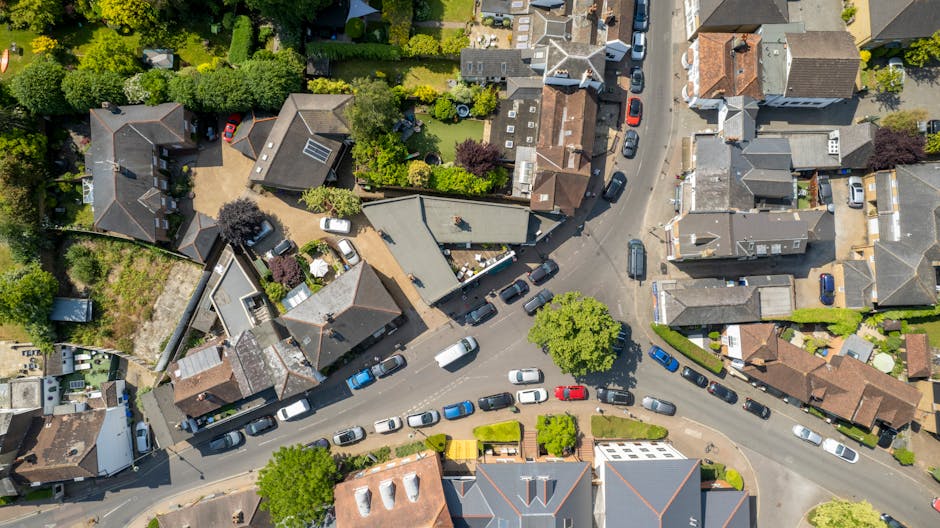
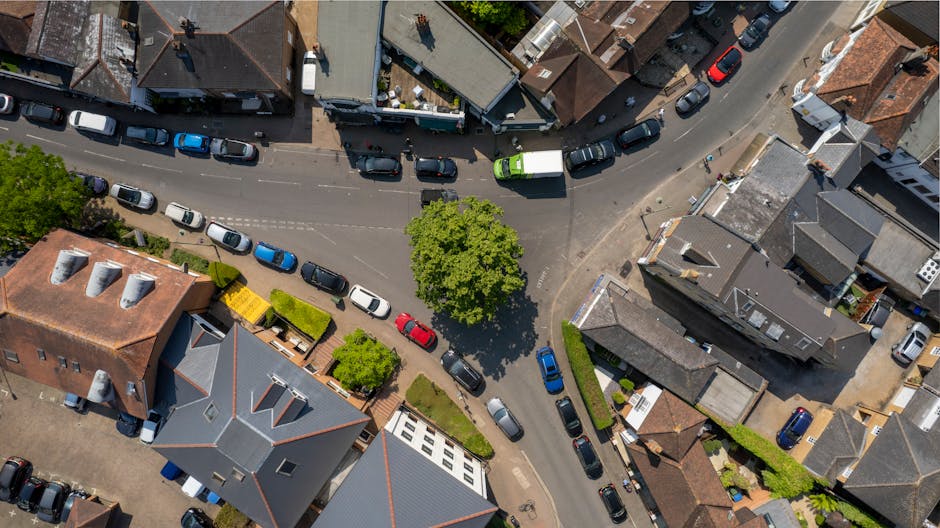
In Kingston, this tends to happen in places with residential parking pressure, older streets, or shared access where delivery vehicles and neighbours are already competing for space. You may also be dealing with a road that looks wide enough at one end and suddenly tightens after a bend. That is the sort of thing that catches people out. It happens more than you'd think.
The reason the problem matters is simple: access is part of the move, not a side issue. If the vehicle plan is wrong, everything else is harder. If the access plan is right, the move feels calmer, quicker, and much more controlled. And on a moving day, calm is worth a lot.
Expert summary: narrow-road removals work best when access is treated as a planning task, not a logistics afterthought. Measure, check parking, choose the right vehicle, and build in time for walking distance.
How Kingston narrow road removals access problems and solutions Works
The process usually starts with understanding the road itself. Not just the postcode, but the practical shape of the street: width, bends, parked cars, loading restrictions, visibility, and whether a larger vehicle can safely stop without causing a bottleneck. From there, the removal plan is adjusted around the property rather than forcing the property to fit the plan.
That may mean using a smaller vehicle such as a man and van setup, splitting the load between trips, or positioning a bigger vehicle farther away and carrying items the final distance. In some cases, the best answer is to book removal services that can flex the plan around difficult access instead of relying on one rigid vehicle size.
The core idea is practical. First you reduce uncertainty. Then you reduce wasted carrying distance. Then you protect time and labour. That is how a complicated access job becomes manageable.
Sometimes there is also a packaging angle. If items are boxed well and labelled clearly, shuttle carrying becomes easier. If you're combining the move with packing and boxes support, the whole job tends to flow more smoothly. Less fiddling, fewer awkward pauses at the pavement, less chance of a last-minute wobble.
Key Benefits and Practical Advantages
A good access plan does more than save time. It changes the feel of the whole move.
- Fewer delays: crews spend less time circling the block or waiting for a parking gap.
- Lower damage risk: shorter carrying distances mean fewer opportunities to bump furniture or walls.
- Better cost control: if the route is planned properly, you are less likely to pay for avoidable extra labour time.
- Less stress: everyone knows where the vehicle will go, where items will be staged, and what happens if the road is blocked.
- Safer handling: awkward manoeuvres on tight roads are a common source of slips and strained backs.
There is also a quiet advantage that people forget about. A clean, realistic access plan helps the crew work with confidence. That confidence matters. When a team knows exactly how the vehicle will be loaded, where the nearest stop point is, and which entrance is safest, the move tends to look far more professional. And yes, customers notice that.
If you are moving out of a flat or maisonette, you may also want to look at flat removals, because tight access and stair carrying often go hand in hand. For households, house removals is the broader fit, especially where family furniture and larger items need careful handling through a narrow street.
Who This Is For and When It Makes Sense
This topic is relevant if any part of your move involves a tight street, awkward parking, or a building with limited loading space. That includes lots of people, frankly.
- Residents on narrow residential streets in Kingston
- People moving from top-floor flats or converted buildings
- Families with larger furniture and multiple rooms to clear
- Students moving in or out of small shared housing
- Offices on roads where vans cannot wait for long
- Anyone dealing with a piano, heavy wardrobe, or bulky sofa
It also makes sense if your move has a time pressure. Maybe the keys are being handed over mid-morning. Maybe the lift is booked. Maybe you only have a narrow delivery window. In those cases, the road access plan becomes even more important because there is little room for improvisation. If that sounds familiar, you are in the right place.
For student moves, the right vehicle size and quick loading sequence can make a huge difference, especially around term-time chaos. You can also consider student removals if the move is small but timing is still tight.
Step-by-Step Guidance
Here is the practical version. Not fancy. Just the sequence that usually works.
- Measure the access points. Check the road width, driveway width, gate openings, stairwells, and any awkward corners. A quick photo is useful, but measurements help more than memory.
- Check parking and stopping options. Look for bays, restrictions, double yellows, or places where a van could briefly stop without blocking traffic. If the road is known to be tight, this needs to be done early.
- Assess the vehicle size. Bigger is not always better. A smaller vehicle may be easier to place, easier to unload, and quicker overall if the road is tight.
- Decide whether shuttle carrying is needed. If the van cannot get close, plan a safe carry route from the vehicle to the property. This is especially important for fragile or heavy items.
- Sort items by handling difficulty. Heavy furniture, awkward lamps, mirrors, and boxed goods should not all be mixed together at the point of loading. A bit of order saves a lot of faff later.
- Protect the property and the street. Use covers, wraps, and proper lifting equipment where needed. Tight roads leave little room for mistakes.
- Build in a time buffer. Access issues often take a few extra minutes each. They stack up. Be generous with time, not stingy.
- Confirm the plan with the removal team. The crew should know where to park, where to enter, what is fragile, and what the backup plan is if the street is blocked.
A lot of people skip step two because they assume the van will "just fit somewhere". Sometimes it does. Sometimes it really, really doesn't. Better to find out the day before, not while the engine is idling with the horn of a delivery van behind you.
Expert Tips for Better Results
When access is tight, small choices have outsized effects. That is the honest truth.
- Use the smallest practical vehicle. If a vehicle can turn comfortably and stop safely, the move often runs smoother than with an oversized truck.
- Pre-pack by room and by weight. This makes loading faster and prevents the van from becoming a puzzle box.
- Keep the first-load items near the exit. Items that need to go on first should not be buried behind the kettle and a stack of random bags.
- Protect door frames and narrow hallways in advance. A bit of padding is far easier than a repair later.
- Choose a calm loading time where possible. Early morning often works better than school-run or commuter hours. You will notice the difference in street movement alone.
- Think about weather. Rain, icy patches, and slippery pavements make narrow access far harder. British weather, bless it, never really asks permission.
If you are moving a larger home, a coordinated service such as home moves can be a better fit than trying to piece together separate help. For businesses with stock, files, or desks to move, commercial moves can be the smarter route because access and downtime matter just as much as transport.
And one more thing: if you are unsure whether your street is really suitable, ask for a planning conversation before the move. That one call can save a whole morning of frustration.
Common Mistakes to Avoid
Most access problems do not come from one giant error. They come from five small ones that add up. Annoying, yes. Common, absolutely.
- Assuming a large vehicle will be fine. It might not be able to turn, pause, or reverse safely on the road.
- Ignoring parking restrictions. A good plan on paper can fail fast if stopping spaces are not checked.
- Underestimating carrying distance. Twenty extra metres sounds tiny until you do it repeatedly with a sofa.
- Not measuring furniture. Wide wardrobes and tall headboards are classic troublemakers.
- Leaving the packing until late. Poor packing makes every carry slower and more awkward.
- Forgetting to warn neighbours or building managers where needed. A little heads-up can help with access, especially in shared spaces.
Another small but important mistake is not planning for the return trip. If the first van position works but blocks the road later, it can slow the entire job. Always think one step ahead, even if that step is only ten minutes away.
Tools, Resources and Recommendations
You do not need a huge kit to manage a narrow-road move, but the right basics help a lot.
- Measuring tape: for checking furniture, doors, stair widths, and the road or driveway gap where practical.
- Phone camera: useful for taking clear photos of the street, entry point, staircases, and any parking limitations.
- Labels and markers: so boxes can be loaded in the right order and unloaded without guesswork.
- Protective covers and wraps: to reduce knocks on tight corners and narrow thresholds.
- Sturdy gloves and sensible footwear: basic, but worth it. Wet pavements and awkward carries are not the time for flimsy choices.
For many people, the useful "resource" is actually the moving service itself. A team with experience in tight access can spot problems quickly and adjust the plan before anything goes wrong. If you are comparing providers, it can help to review removal companies, removal van options, or a more flexible man with van arrangement depending on the size of the move.
If you need short-term holding space because access is limited at either end, storage can be a useful pressure valve. It is not glamorous, but it can make a stressful move much easier.
Law, Compliance, Standards, or Best Practice
When a move involves narrow roads, the practical side overlaps with safety and road use. The details can vary depending on the street, the property, and the vehicle, so it is wise to work to normal UK moving and road-safety best practice rather than making assumptions.
That usually means:
- parking only where it is lawful and safe to do so
- avoiding obstruction of traffic, driveways, crossings, or emergency access
- using appropriate lifting techniques and equipment
- keeping paths clear where possible to reduce trip hazards
- checking whether the building has any access rules for moving day
Good operators should also carry appropriate insurance and follow clear health and safety procedures. If you are comparing providers, it is sensible to read their insurance and safety information and their health and safety policy. For broader terms and service expectations, it can also help to review terms and conditions before you book.
Best practice also includes being realistic. If a street is too narrow for a large vehicle, that is not a failure. It just means the plan needs to adapt. That is normal, and honestly, much better than forcing a bad fit.
Options, Methods, or Comparison Table
There is no single right answer for every narrow-road move. The best method depends on how tight the access is, how much you are moving, and how much time you have.
| Method | Best for | Pros | Trade-offs |
|---|---|---|---|
| Small van access | Compact moves, flats, student items | Easier parking, better manoeuvrability, quicker on tight roads | Less load space, may need more careful packing |
| Medium or larger vehicle with shuttle carrying | Medium-to-large homes, awkward streets | Moves more volume in one go, useful if the road allows brief stopping nearby | Longer carry distances, extra handling time |
| Split move with storage | Staged moves, access constrained at one or both ends | Reduces pressure on moving day, flexible timing | Requires additional coordination and planning |
| Specialist handling for heavy items | Pianos, large wardrobes, fragile furniture | Better protection for difficult items, safer handling | May need extra equipment and preparation |
If you are comparing methods for a flat with tight access, flat removals and man with a van are often the two simplest starting points. For heavier loads or business equipment, a bigger plan may be needed. No drama. Just matching the method to the street.
Case Study or Real-World Example
Picture a move from a two-bedroom flat on a narrow Kingston road with parking on both sides. A large vehicle would have struggled to turn safely, and loading directly outside the building would have been a gamble because residents already used most of the available space.
The practical solution was to use a smaller vehicle, load in phases, and keep the largest items staged close to the exit. The team also prioritised fragile items and boxed belongings first, then moved the bulky furniture once the path was clear. Nothing especially dramatic happened, which is exactly the point. The move stayed controlled because the access issue was handled early.
A second example comes from a small office relocation. The street was fine for vans before 8:30 a.m., but after that it became noticeably busier. The team scheduled the arrival early, used clear labelling, and moved key desks and IT items first. That reduced downtime and kept the office from spiralling into a half-open, half-packed mess by lunchtime. We have all seen that kind of mess. Not ideal.
The lesson is not that narrow-road moves are easy. They are not. The lesson is that they become much easier when the vehicle, schedule, and packing order are designed around the street instead of fighting it.
Practical Checklist
Use this before moving day. Seriously, print it or keep it on your phone.
- Confirm the exact street, entrance, and loading point
- Measure the widest items and any tight internal gaps
- Check for parking controls, bay restrictions, or blocked access
- Choose the most suitable vehicle size for the road
- Plan a fallback if the vehicle cannot park at the door
- Pack and label boxes by room and priority
- Separate heavy, fragile, and awkward items in advance
- Protect floors, door frames, and sharp corners
- Warn neighbours or building contacts if access may affect them
- Keep key documents, keys, and essentials close by
- Check insurance, safety, and booking terms before the day
- Allow a buffer for traffic, parking, or last-minute street issues
If you are still in the planning stage, it is also worth looking at pricing and quotes so you can compare service levels sensibly. Not every quote means the same thing when access is difficult, so ask what is included. That bit matters a lot.
Get a free quote today and see how much you can save.
Conclusion
Narrow-road removals in Kingston do not have to be stressful, but they do have to be planned. Once you understand how access affects vehicle choice, carrying distance, timing, and safety, the whole move becomes much easier to control. That is the real win here.
The strongest approach is usually the simplest one: measure properly, choose the right vehicle, pack with the route in mind, and keep a sensible backup plan. If your move is especially tight, get advice early and make the access challenge part of the plan rather than something to deal with on the kerb at the last minute.
Handled well, even a narrow street can feel manageable. And that little bit of calm on moving day? It goes a long way.
Frequently Asked Questions
What are the most common access problems on narrow Kingston roads?
The usual issues are limited parking, tight turning space, parked cars blocking the road, and a van being too large for the street layout. Shared entrances and awkward corners can also slow the move down.
How do I know if my road is too narrow for a removals van?
If you are unsure, compare the available road width, turning space, and stopping area against the size of the vehicle. If a van cannot stop safely without blocking traffic or reversing into a blind bend, a smaller vehicle or shuttle approach may be better.
Should I choose a smaller vehicle for a narrow road move?
Often, yes. A smaller vehicle can be easier to park, turn, and load on a tight street. The best choice depends on how much you are moving and whether the carry distance becomes too long.
What if the removal vehicle cannot park right outside my home?
That is common. The team may need to park farther away and carry items the last stretch. It is not ideal, but with good planning it can still be perfectly manageable.
Do narrow road moves take longer?
Usually they do, because access limitations slow loading and unloading. The extra time depends on parking distance, stairs, street congestion, and how well the move has been prepared.
Can packing help with access problems?
Yes. Well-packed and clearly labelled boxes are faster to move and easier to stage. That matters when the crew has to shuttle items from a van parked some distance away.
Is storage useful for difficult-access removals?
It can be. If access is tight at one end or your timing is split, storage can give you room to move things in stages. That can reduce pressure on the actual moving day.
What should I tell the removal company before the move?
Tell them about road width, parking restrictions, stairs, driveway access, heavy items, and anything that could slow parking or loading. Photos are helpful, but a clear description is better than guesswork.
Are narrow road removals more expensive?
They can be, if the access issue adds time, requires more labour, or needs a different vehicle plan. The best way to avoid unnecessary cost is to describe the access conditions accurately from the start.
What type of move suits a man and van service?
A man and van setup is often a good fit for smaller homes, flats, student moves, and access-restricted streets where manoeuvrability matters more than load size.
How can I make moving day safer on a tight street?
Keep the carry route clear, protect narrow entry points, avoid rushing, and make sure the vehicle is parked in a lawful and sensible position. Good footwear and careful lifting also matter more than people sometimes realise.
What is the best first step if I am worried about access?
The best first step is to assess the street and speak to the removals provider early. A short planning conversation can uncover problems before they become expensive ones. And that is usually the difference between a smooth day and a messy one.